Concepts is an infinite, flexible creative tool for all your good ideas. Available on iOS, Windows and Android.
Drawing Dialogue: The Role of Sketching in Architectural Communication
An Interview with Architect & Educator Radu Axinte
In this interview, Architect and Educator Radu Axinte discusses his background, passion for sketching, and the role of sketching in architectural communication.
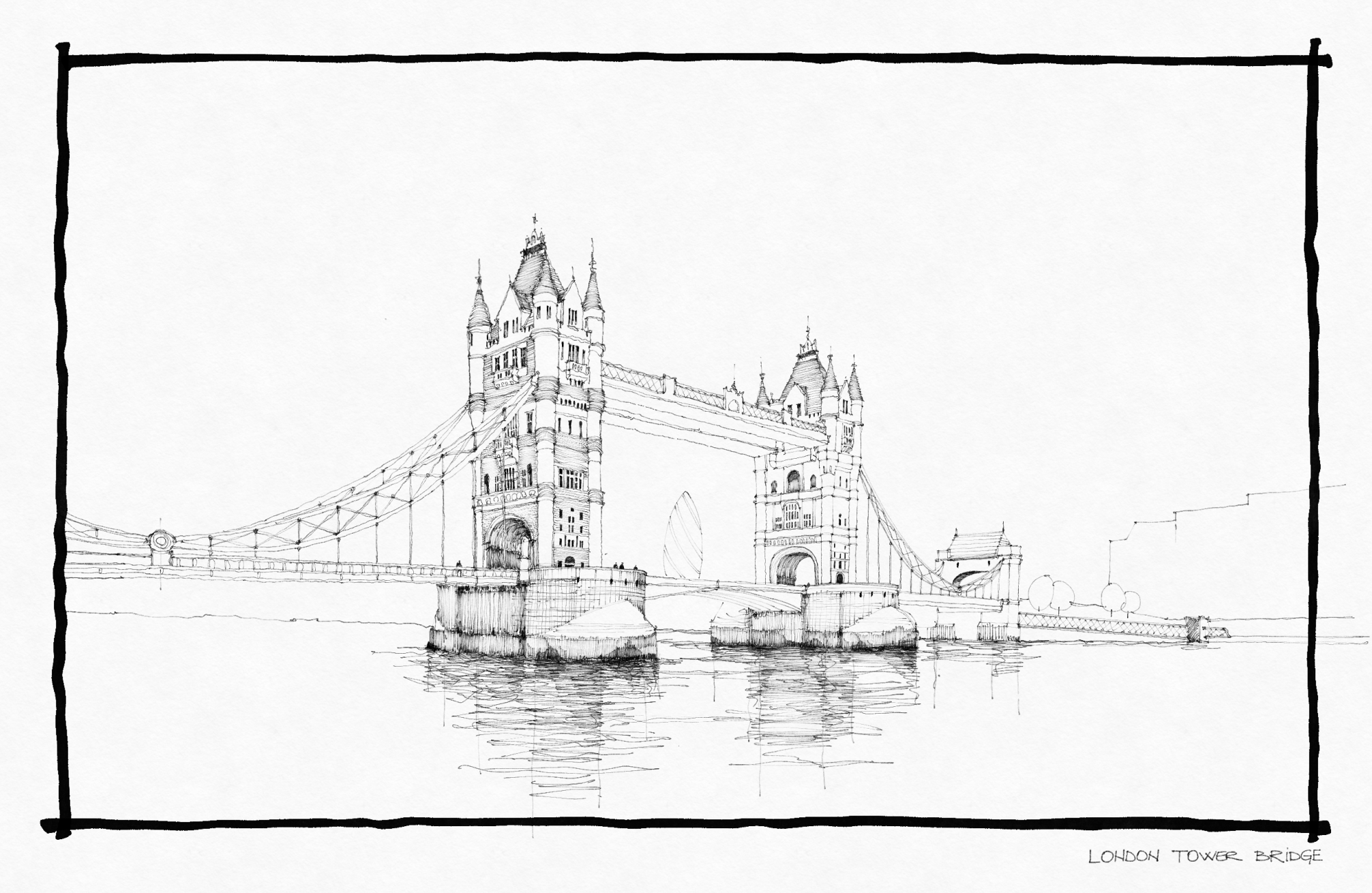
“It's important to embrace sketching as an iterative process, it is like a journey of discovery where the hand takes the lead in exploring ideas and bridges the gap between our mind and the piece of paper.”
Hi Radu! Can you please tell us a bit about yourself? What is your background and what do you do?
Thanks for having me. It’s a pleasure to share this with you and talk about sketching. I had a deep pleasure for sketching as long as I can remember.
I studied architecture in Iasi, Romania, before moving to London to continue my studies at Westminster University. Those years were really formative. I was lucky to have mentors who pushed sketching as a way to think and solve problems. It wasn't about making pretty pictures; it was about communication.
Now, I’m a Senior Technical Designer at Heatherwick Studio in London. It’s a great environment where everything revolves around design and making beautiful ideas happen. I get to work and collaborate with some incredibly talented people creating the most exciting projects in the world.
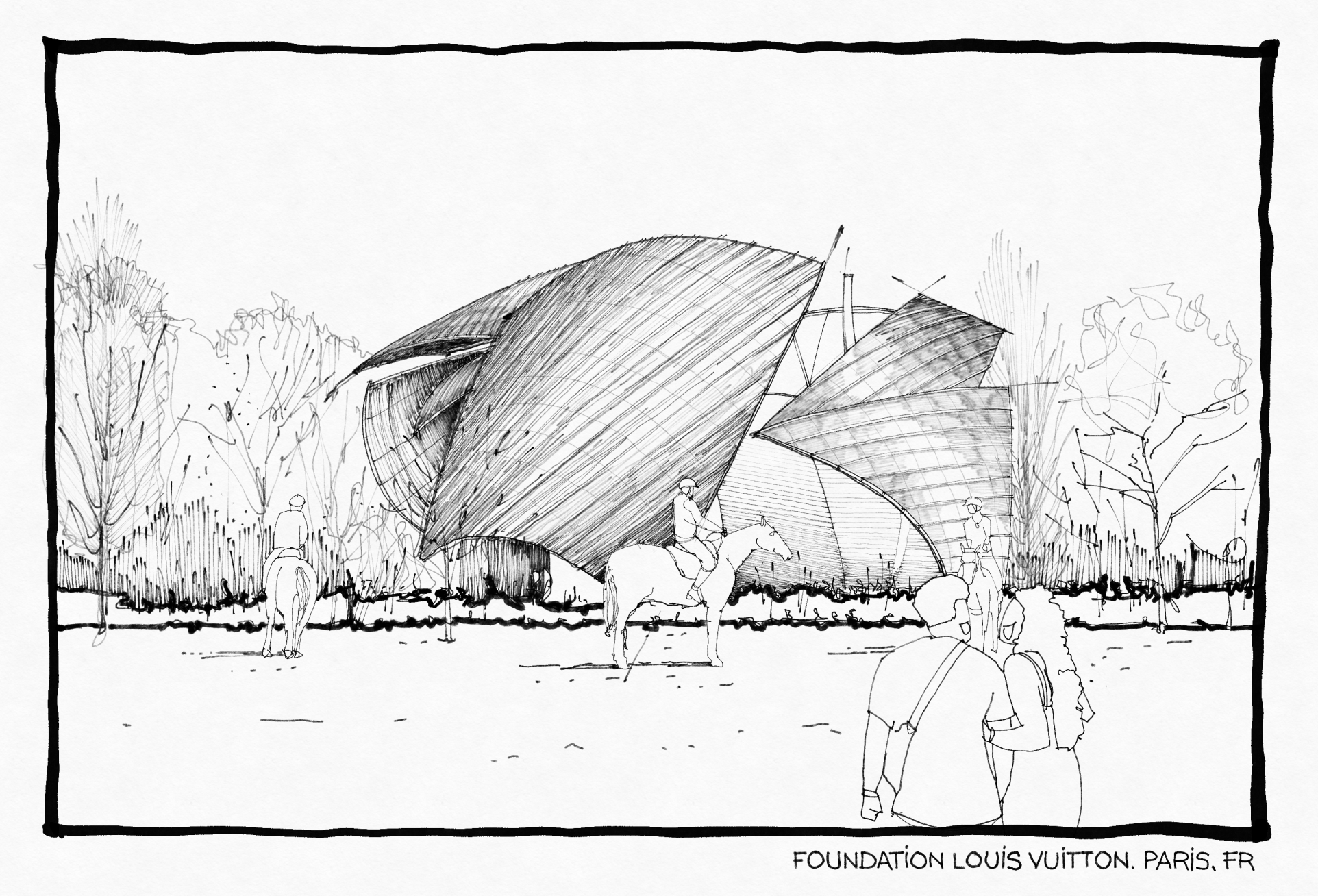
How did you get into architecture?
My interest in sketching actually led me into photography during high school.
I became fascinated with composition, geometry and proportions specifically how they relate to the human scale. I was 14 at the time and architecture seemed like the right way to dive deeper into those rules. I didn’t realize it then, but this 'side quest' would turn into a lifelong career I’d never want to leave.
I still pick up a camera sometimes, although I’m definitely out of practice.
How did you end up on the path of teaching technical drawing?
It is an interesting journey to look back on. Early in my career, I took a course at the Drawing Gym, which led to some great conversations about how sketching is really a tool for exploration. We decided to collaborate and create a digital sketching session for other professionals.
At the time, I was also working on complex facade details every day, so I was seeing firsthand how sketching functioned as a real-world problem-solving tool.
Teaching grew from there onward because there was a clear hunger for these skills in the industry. I started teaching architects and engineers across London, which eventually became the foundation for TechySketching. It’s been rewarding to help others find the confidence to 'sketch out loud' and use drawing as a practical way to communicate their idea
Would you be willing to share examples of your design workflow with us?
I generally see sketches falling into two categories.
The first are exploratory sketches. These are basically a conversation on paper where the final answer result is unknown. The goal is to catch a fleeting idea and get a conversation going. It’s a messy, iterative process where the drawing evolves as the design develops.
The second type are explanatory sketches. This is for when the solution is already decided, and the goal is simply to communicate that idea as clearly as possible.
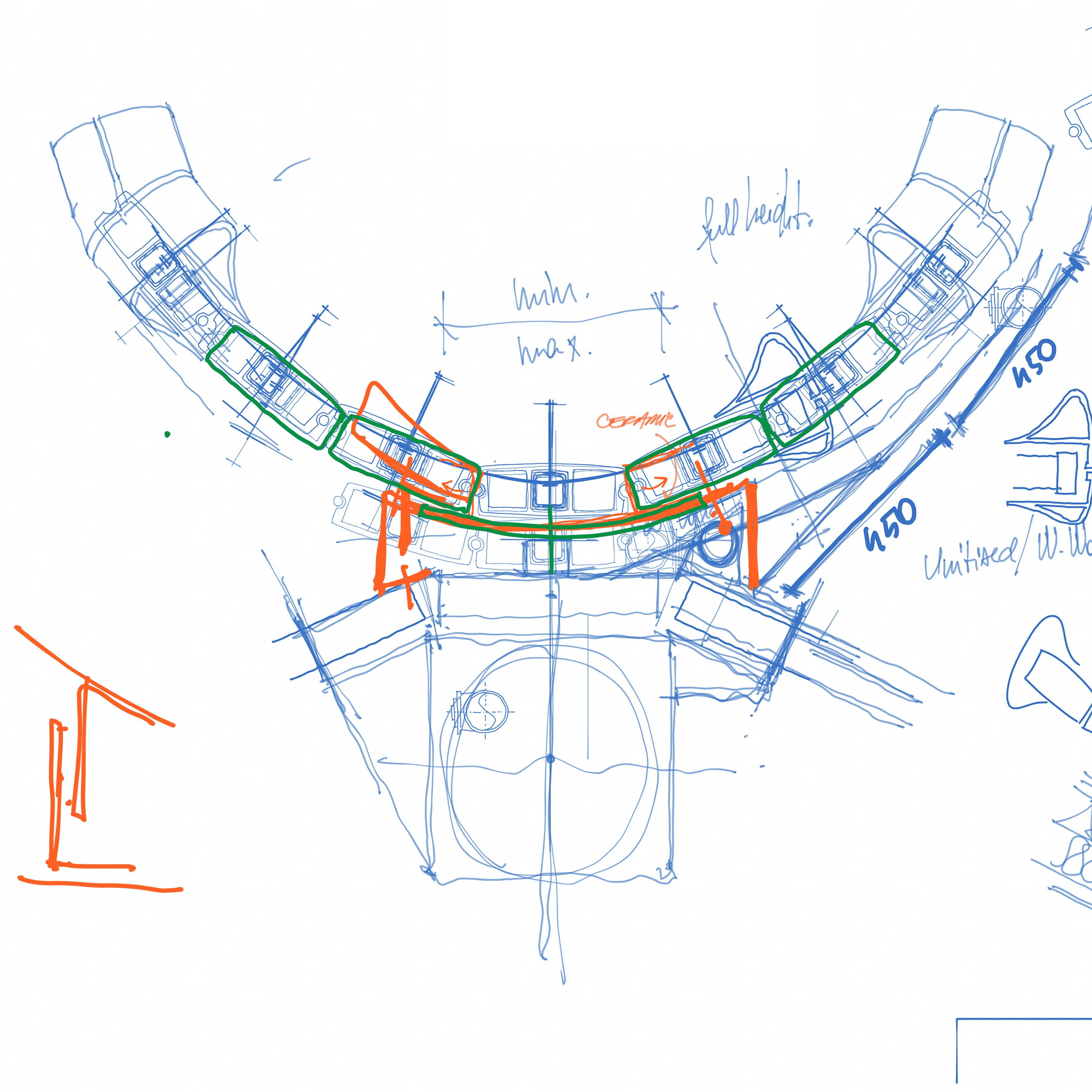
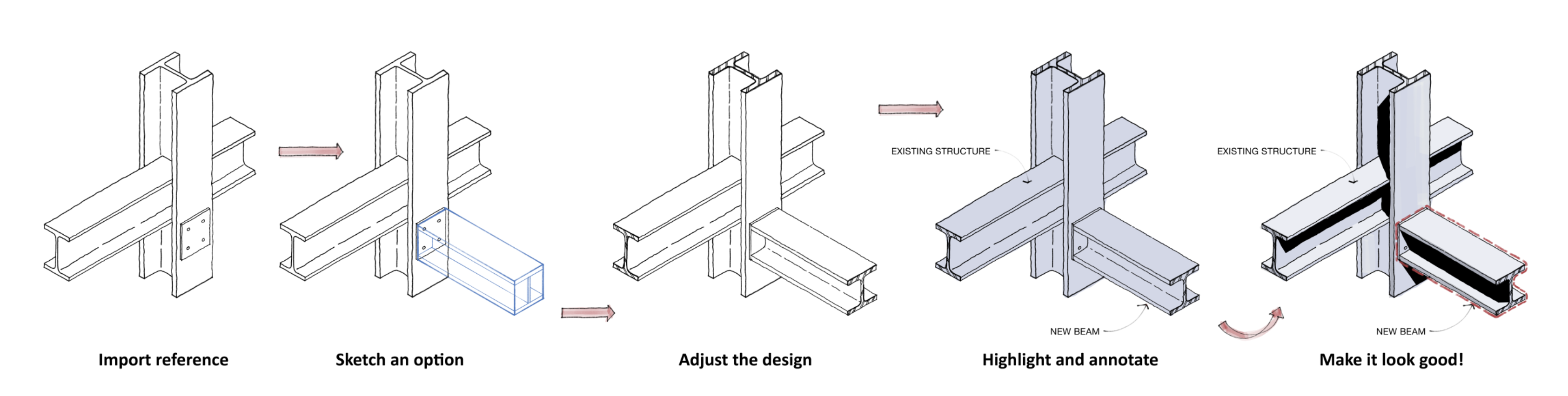
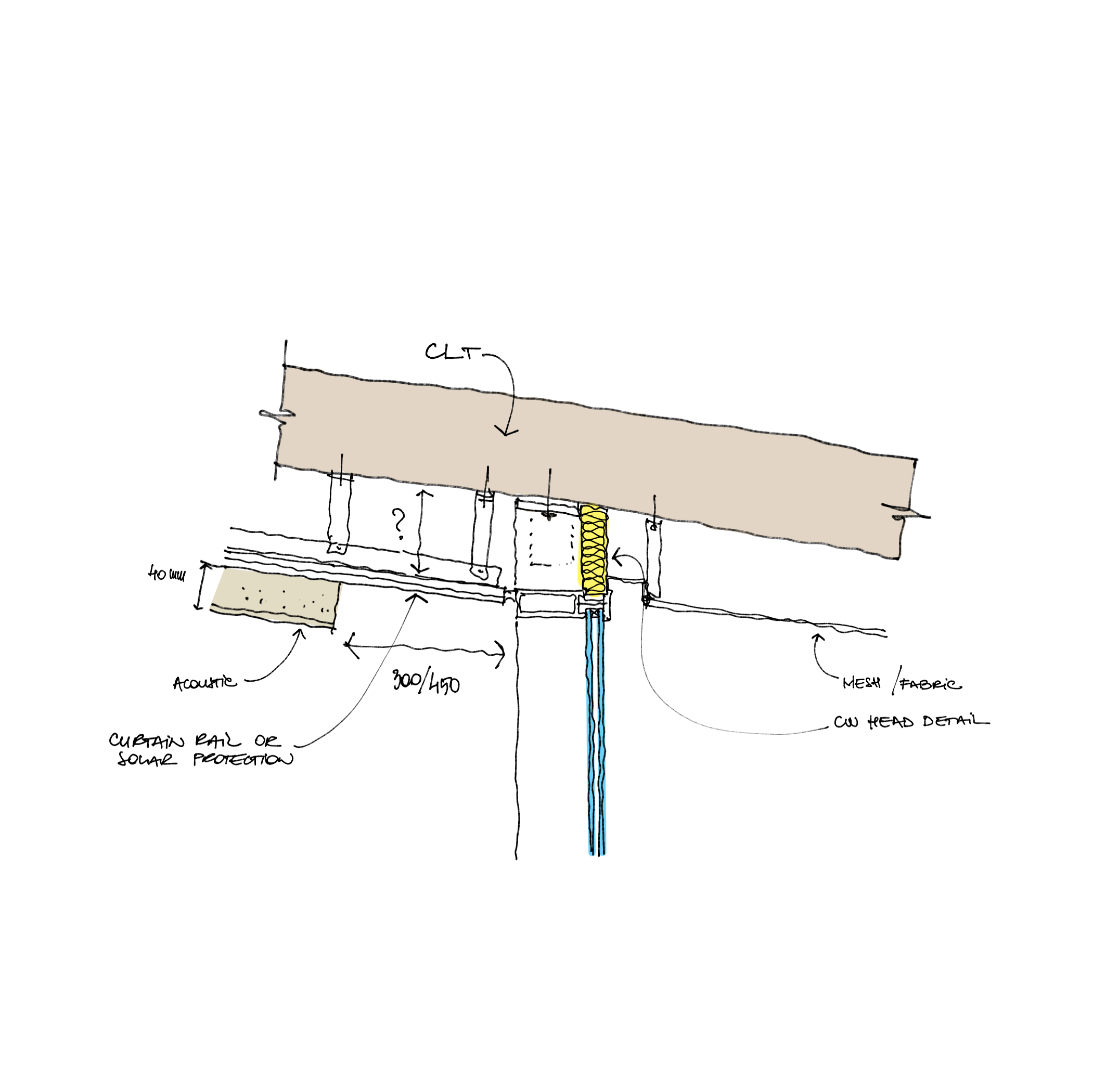
Most of my work is exploratory. I usually start with a reference, a photo or a scaled drawing and treat the digital screen like tracing paper. I’ll 'doodle' over it to see if what I’m imagining actually works in reality. As you can see in the first image, these early scribbles are pretty chaotic and usually only make sense to me.
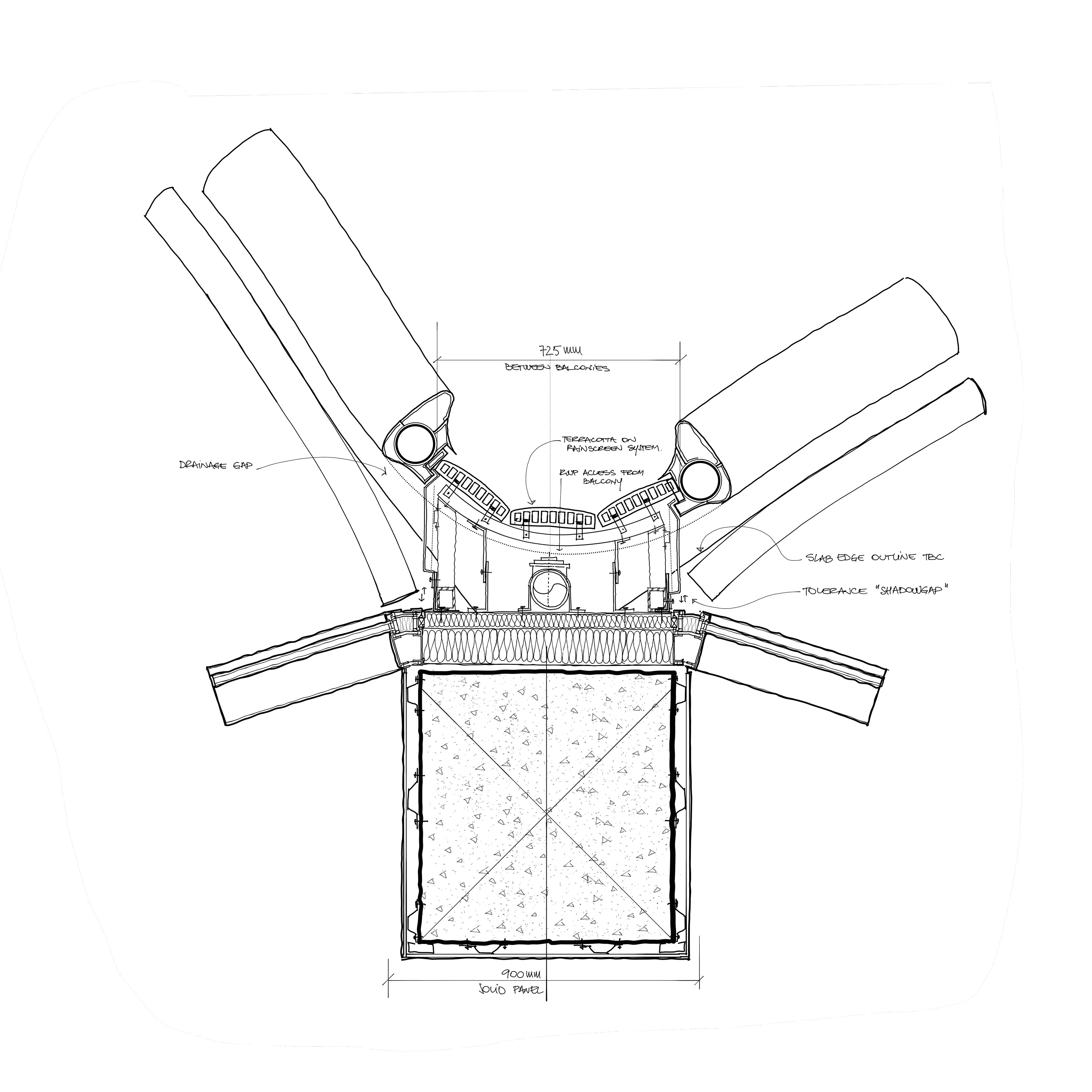
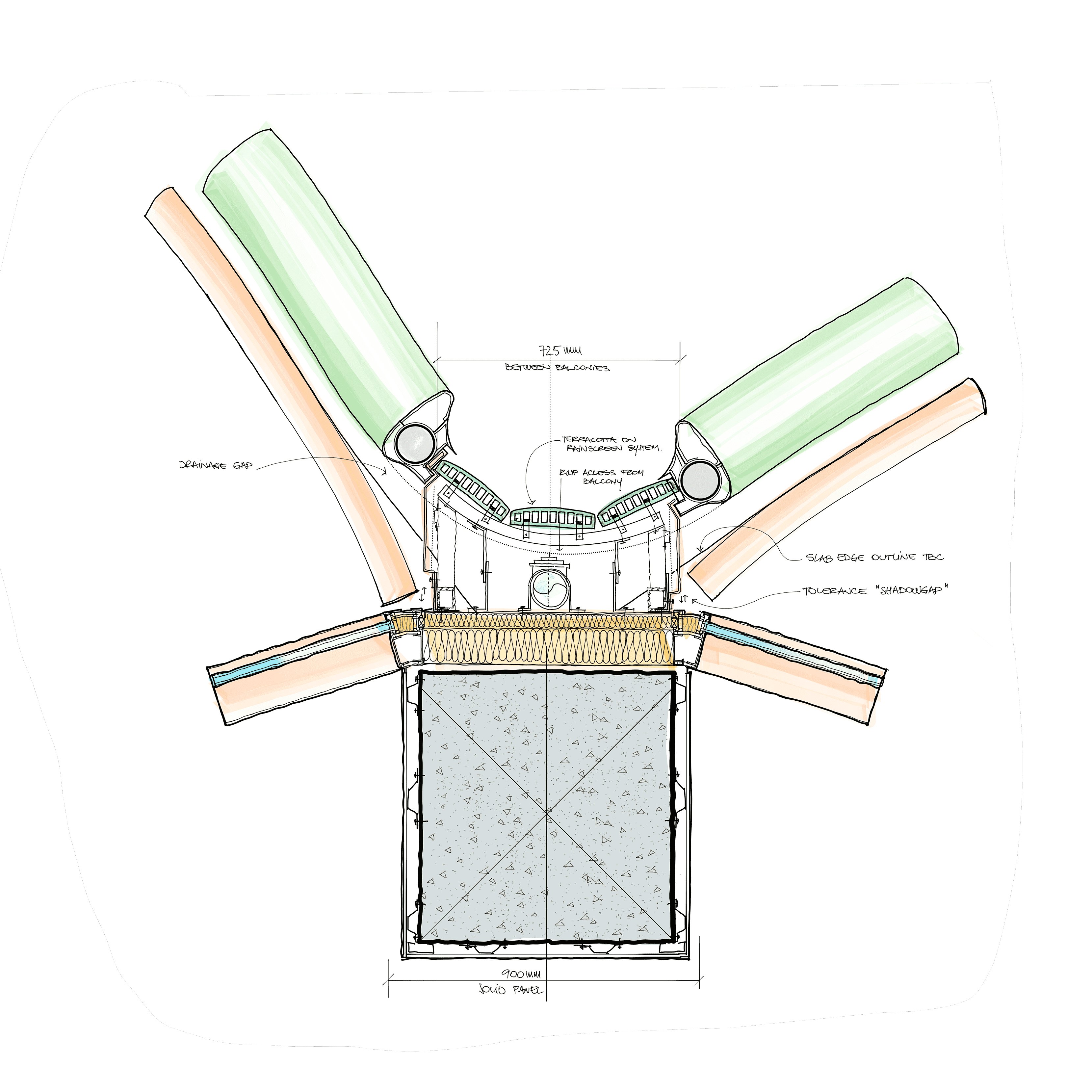
Once I’ve found a direction, I’ll trace a cleaner version that’s readable for the rest of the team, which looks more like the second image.
What are the most important things to keep in mind when sketching designs?
I'm going to focus on exploratory sketches as a basic form of communication.
This is something that humans have done since the first cave paintings. The key is to remember that it’s a process of discovery, not a performance.
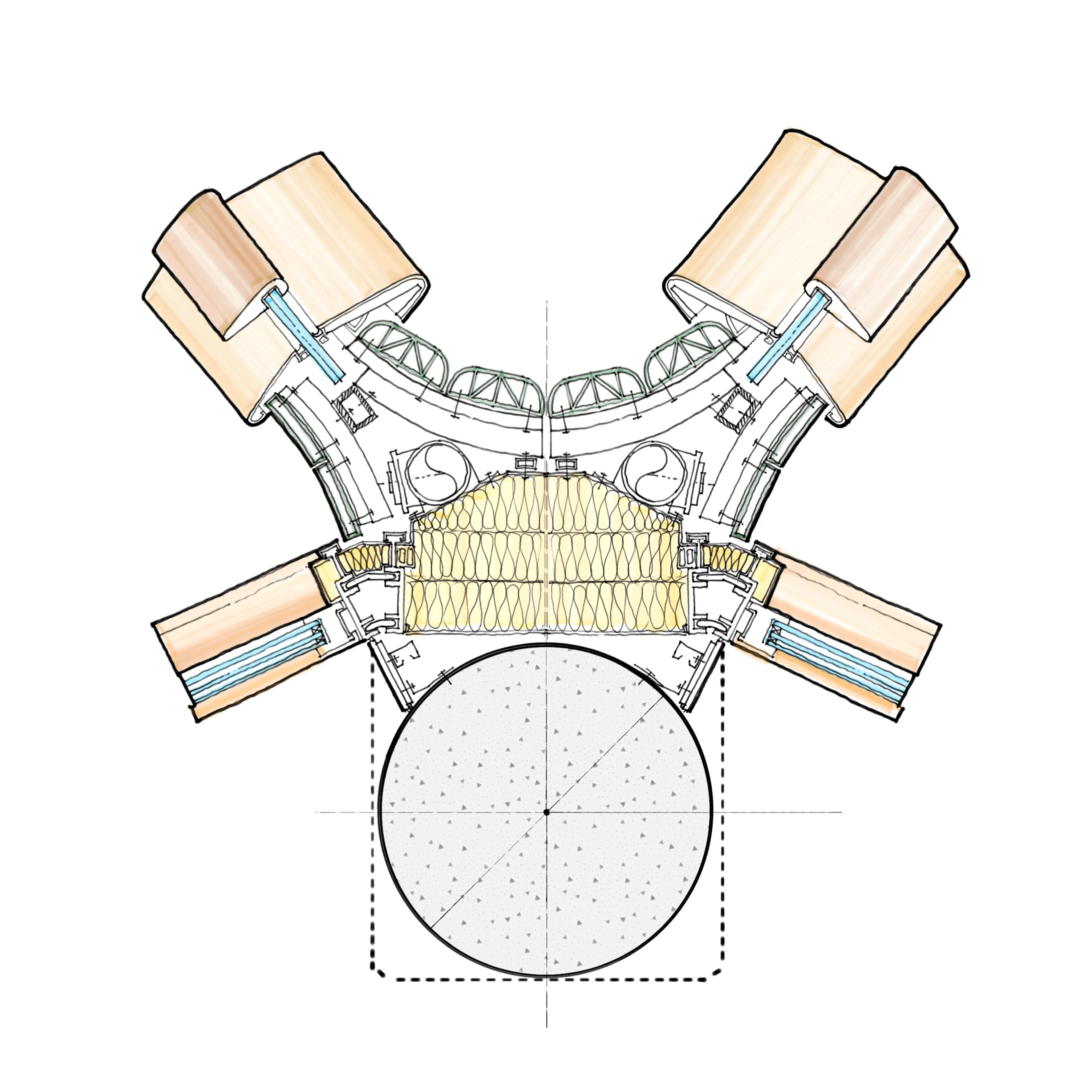
I cannot stress this enough: a sketch is just letting your hand test an idea to see if it actually works. A sketch doesn't need to be 'artistic' or gallery-ready; its only job is to take a thought out of your head and make it visible to someone else.
What are some of the biggest challenges you face as an architect and educator?
We’re in a period of massive technological shift and quick feedback has become a new norm. With the rise of AI and huge computing power, we can do more in less time than ever before. But the challenge is that as our tools get more complex, it’s easy to lose sight of the actual end goal.
One can get so caught up in information overload, software or other distractions and it's easy to lose deep focus.
That’s why I value the simplicity of sketching. There’s almost no friction between the mind and the hand. It’s the most direct way to test an idea with minimal effort, allowing you to stay immersed in the 'what' and 'why' of a project rather than getting distracted by the 'how' of a tool.
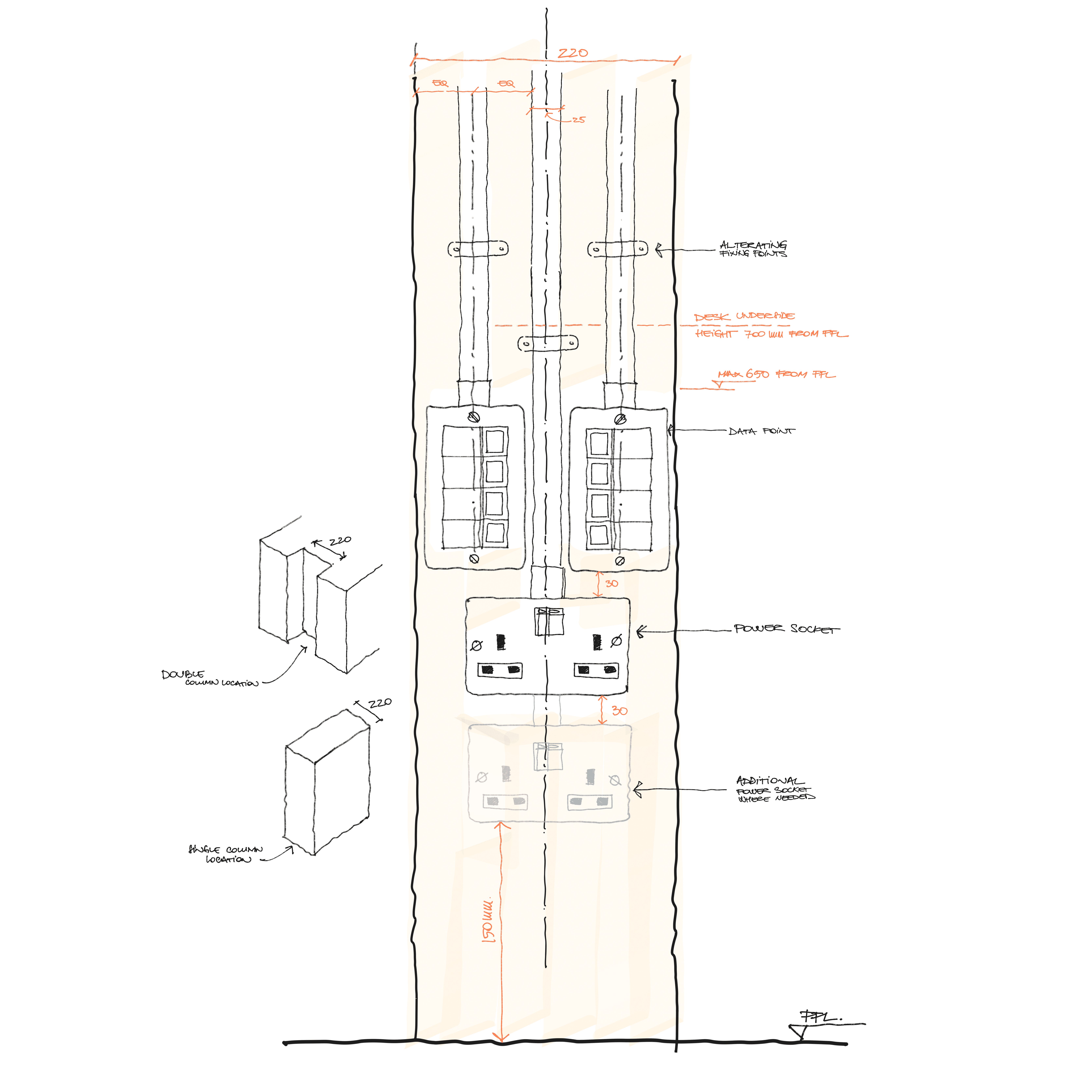
Can you elaborate on your teaching and sketching philosophies, particularly the idea that breaking free from computers enhances creativity and engagement?
At TechySketching, our goal is to show professionals that you don’t always need to be tethered to a computer to communicate effectively.
The reality is that a mouse and keyboard can often create too much friction for creative early-stage thinking. It takes a lot of time to model an idea just to discuss it, which isn't sustainable for the quick, daily conversations and problem solving. I’m not talking about formal documentation, but the rapid-fire back-and-forth chat that move projects forward.
Design is collaborative and constantly shifting, so you need a medium that’s as flexible as the conversation.
Sketching, specifically digital sketching, allows for that speed, but with the added benefit of easy edits, undo's, layers and keeping a backed up system for later project stages.
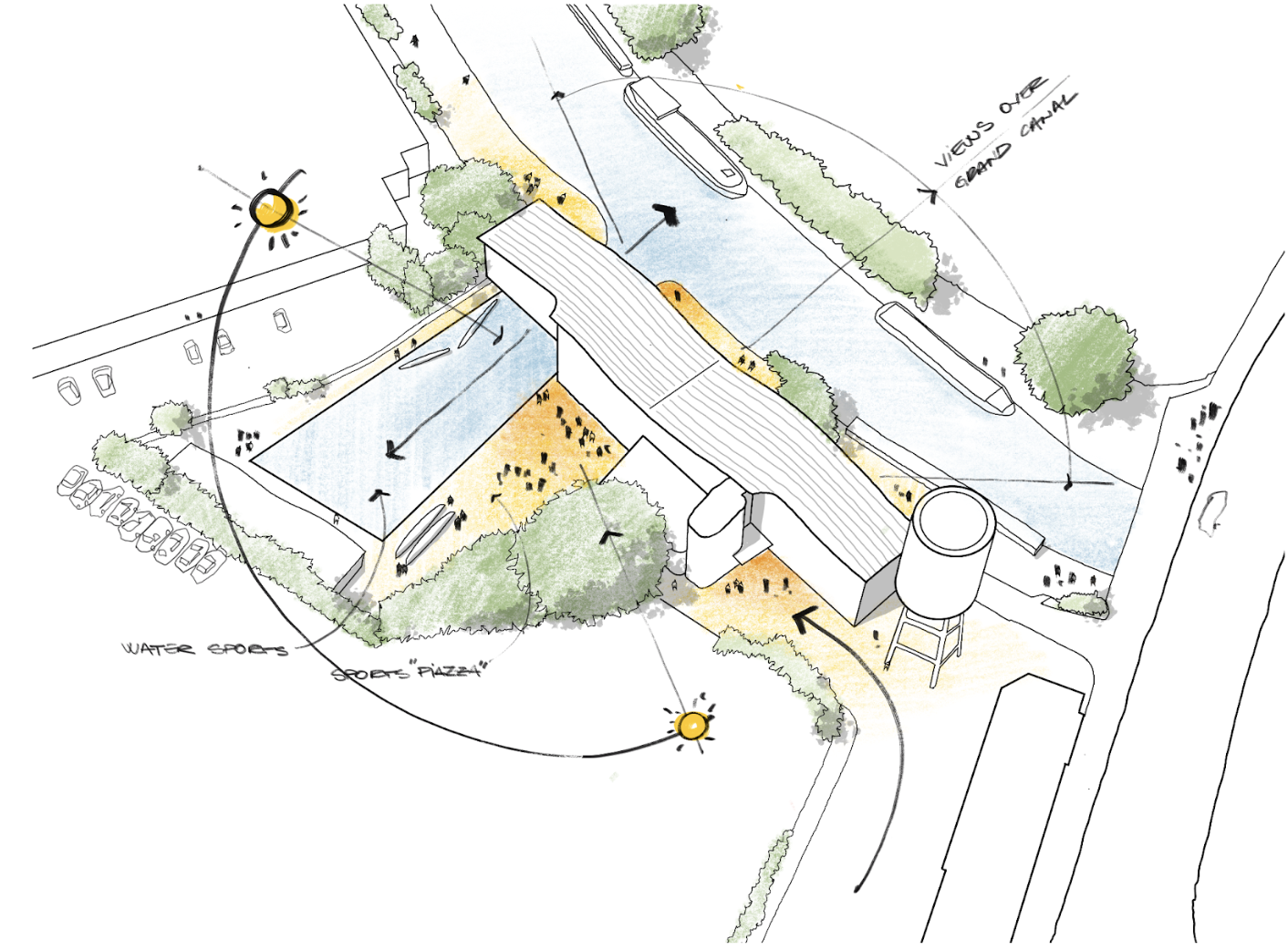
What are some of the most common mistakes that you see people make when they're sketching?
I always go back to one principle: a sketch is successful if it communicates an idea efficiently. That’s the only metric that really matters.
The most common trap is getting distracted by aesthetics. People see 'perfect' reference sketches and agonize over hitting that same visual style, forgetting that the goal is to communicate quickly, not to create a masterpiece to frame and display.
As you practice, that hand-brain connection gets stronger, you eventually stop thinking about the act of sketching altogether and it just becomes a tool for thinking.
My best advice is to forget about 'style' and graphics for now. Your unique visual voice will show up naturally the more you just focus on the ideas.
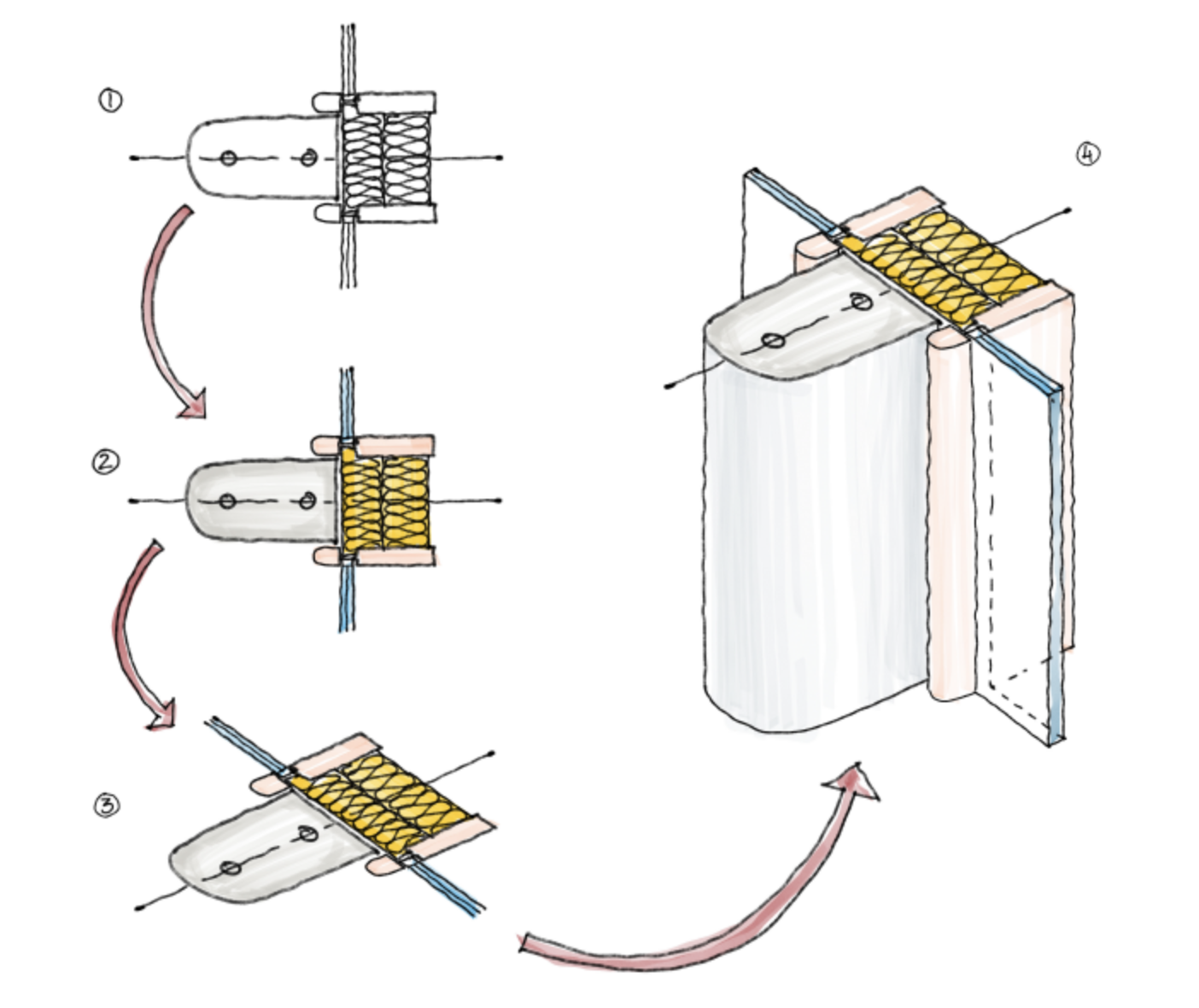
Do you have any advice for people who want to learn to sketch architectural designs?
Start small and don't rush into complexity. Developing a sketching habit is exactly like training for a marathon, you’re gradually building on the basics. Those small, incremental steps really do add up to major results over time.
It helps to seek out a bit of guidance early on to make sure you’re on the right track, but the most important thing is consistency.
Remember that every architect you admire started with a sketch that looked 'off.' The only difference is they kept going and drew the next one.
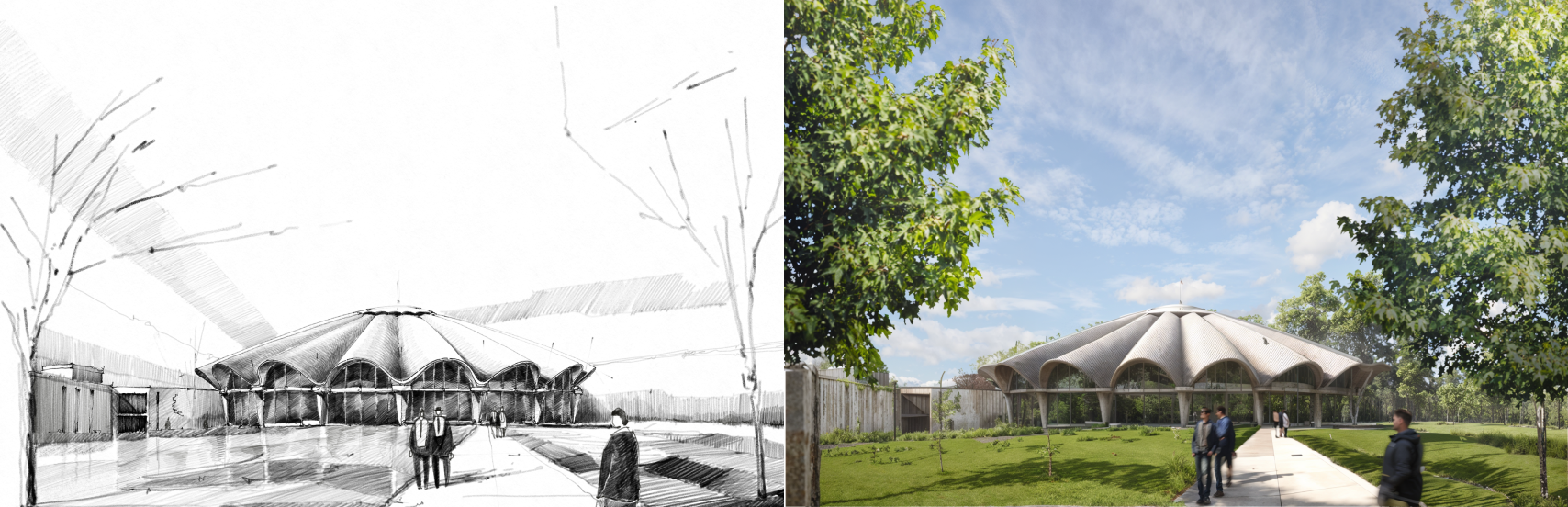
What are your thoughts on the future of architectural engineering and sketching?
It’s a truly exciting time because sketching is becoming more versatile. We have tools now that can turn 2D sketches into 3D models or animations directly on an iPad. In such a fast-paced industry, sketching remains the most efficient, low-resource and sustainable way to coordinate a design.
With the rise of AI, a simple sketch actually becomes even more powerful. AI platforms like NanoBanana and Visoid allow you to take a basic drawing and augment it using prompts and references to iterate on an idea much faster.
Sketching isn't being replaced, it's becoming more important to set a clear direction as a 'base layer' for all these new technologies to layer on.
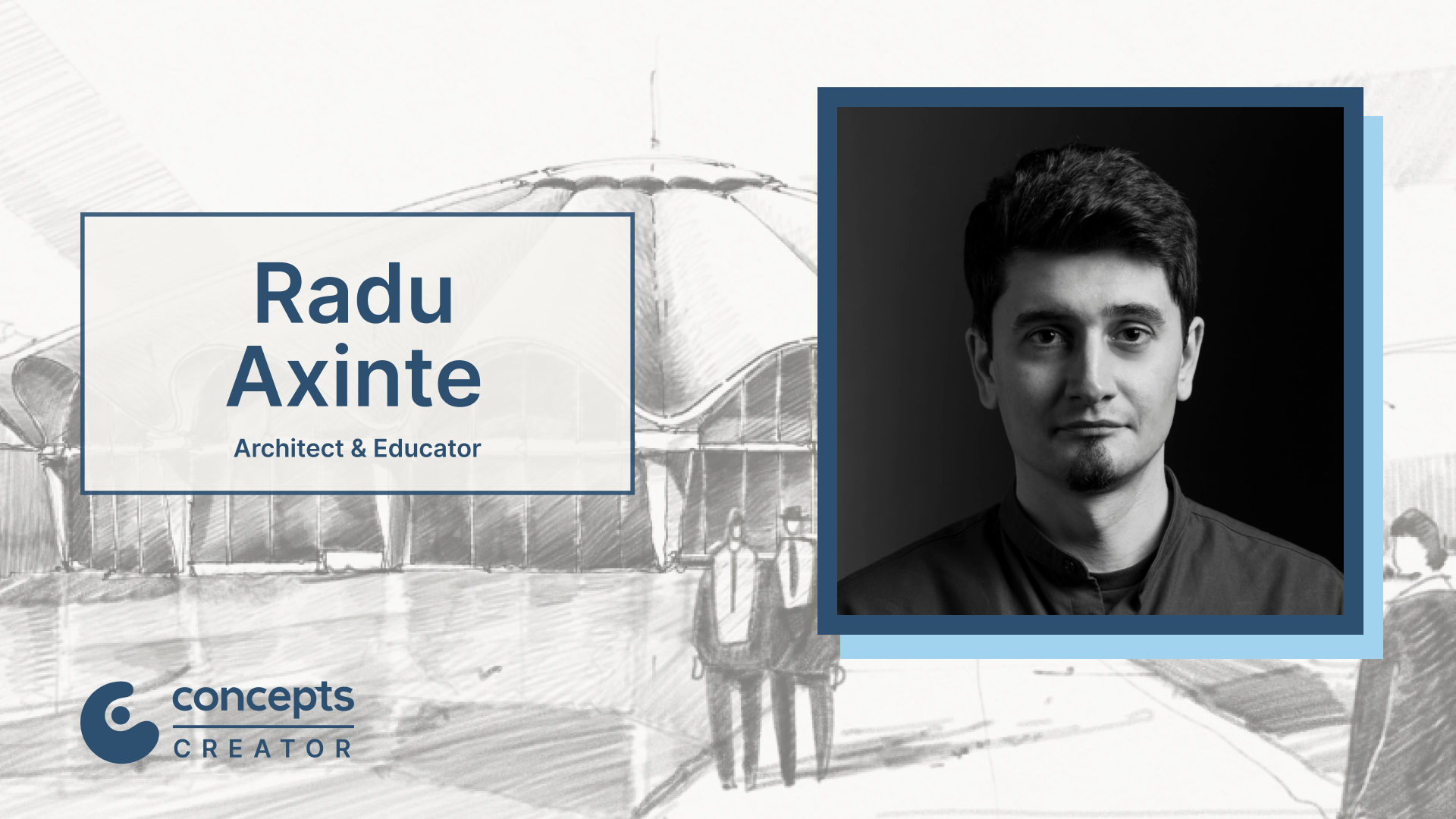
Radu Axinte is a designer based in London and works at Heatherwick Studio. He also teaches digital sketching at Techy Sketching to the foremost engineers around the world. Radu strongly believes in the effectiveness of sketching in all its forms. You can find more of his work on Instagram; make sure to check it out!
Cover photo: Metropolitan Circus building, Bucharest, Romania
Interview by Annelise Sandberg
Recommended
Design Life of a Paperless Architect - Architect Craig Burns shares his paperless design workflow on iPad in our Architectural Design Q&A.
Designing Architecture Beyond the Limits - Architect Sean Gallagher discusses design workflows and strategies for competitive architectural design.
Architectural Design Sketching on the iPad - Architect Amin Zakaria shares how sketching with Concepts' grids and live Snap helps his design workflow.